
June 02, 2026
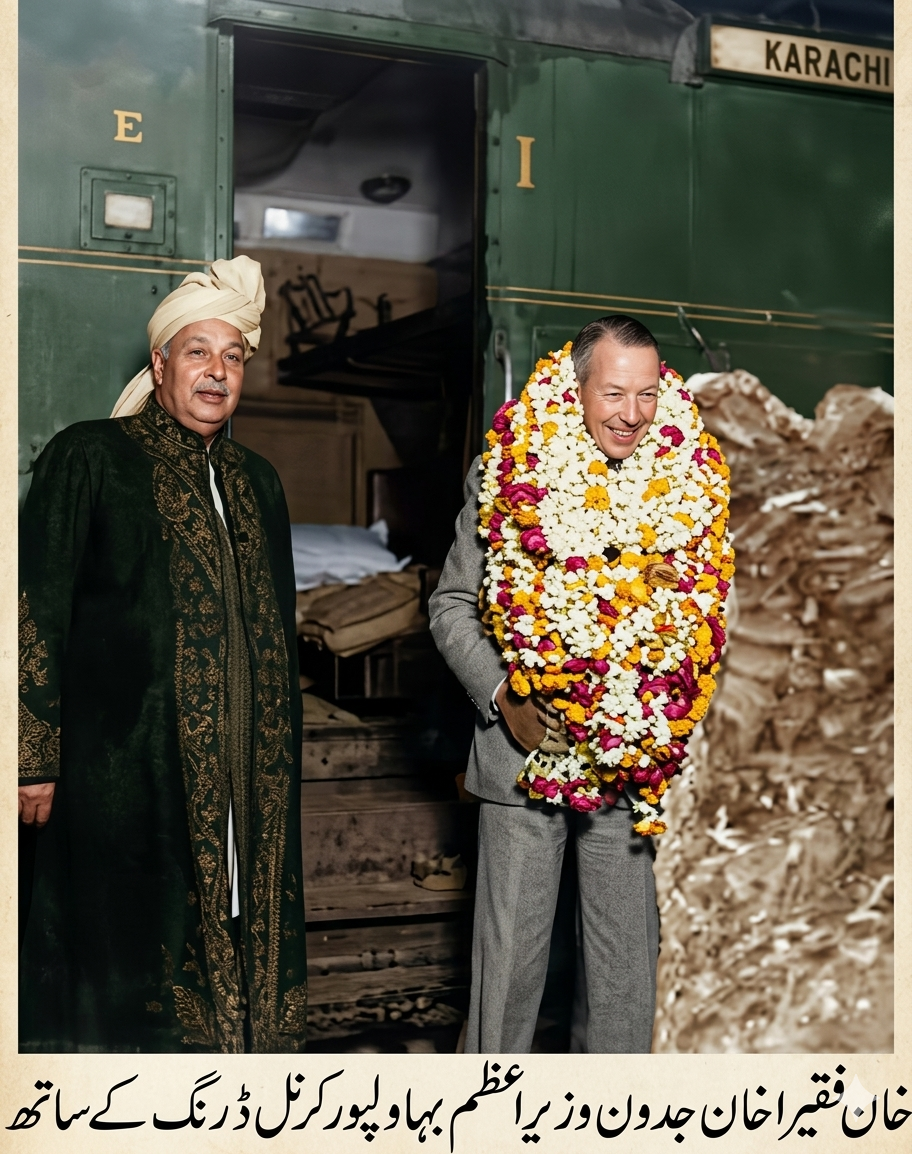
In the annals of Pakistan's foundational history, certain figures stand as monumental pillars, their dedication and vision instrumental in shaping the destiny of a nation. Among these revered personalities is Khan Faqira Khan Jadoon, the illustrious Chief of the Jadoon tribe, whose profound commitment to the All India Muslim League and unwavering loyalty to Quaid-e-Azam Muhammad Ali Jinnah played a pivotal role in the creation of Pakistan. His influence, particularly within the Hazara region, was not merely that of a tribal leader but of a statesman who mobilized his people towards the dream of an independent Muslim homeland.
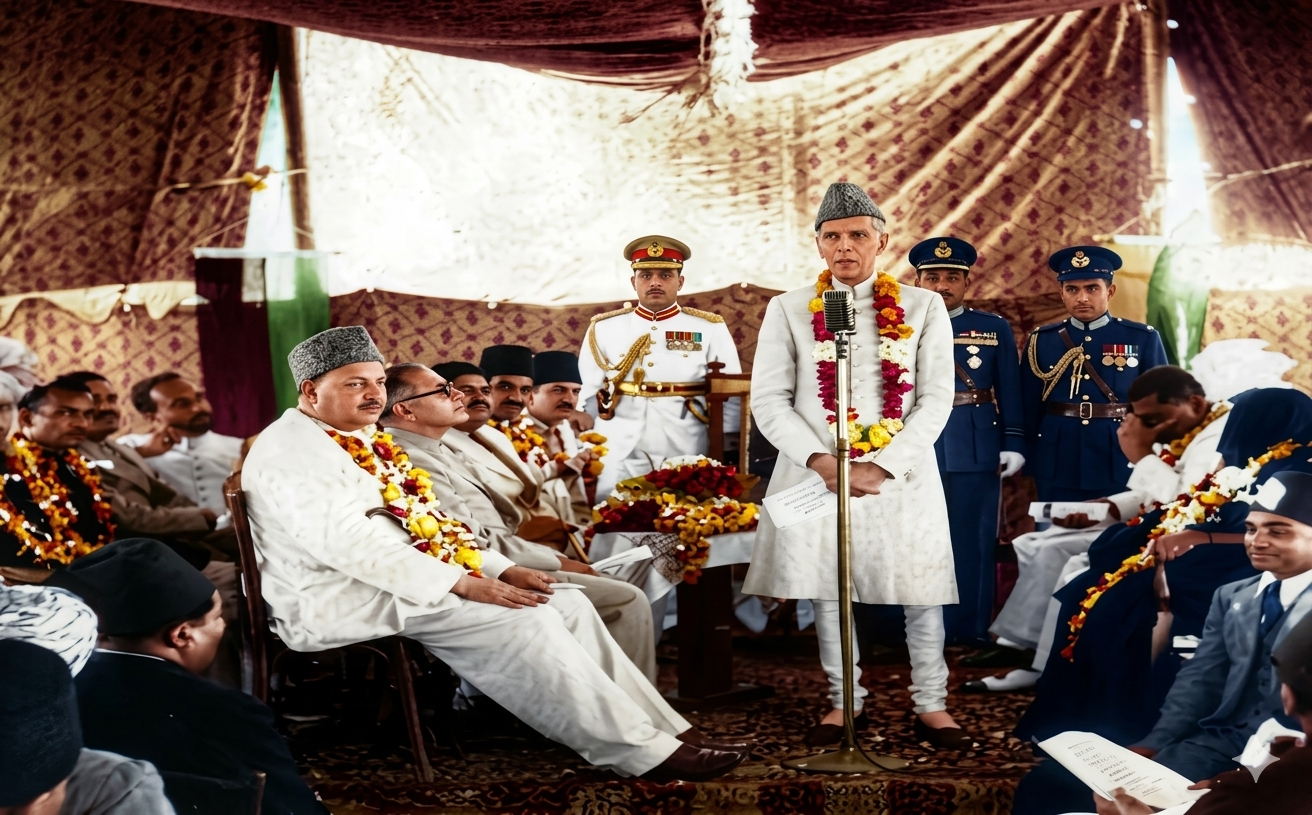
The Jadoon tribe holds a distinguished place in the history and social fabric of the Hazara region, a strategically vital area in what is now Khyber Pakhtunkhwa, Pakistan. Known for their strong leadership traditions and a deep sense of community, the Jadoons were a significant political and social force. Khan Faqira Khan Jadoon inherited and upheld this legacy, becoming the Chief of the tribe during a tumultuous period of British colonial rule and the burgeoning movement for independence. His position as Chief bestowed upon him immense respect and authority, making him a natural leader capable of influencing public opinion and guiding his people through complex political waters.
Hazara itself was a region of diverse communities and political currents. Navigating these complexities required leaders with both traditional authority and modern political acumen. Khan Faqira Khan Jadoon possessed this unique blend, enabling him to bridge the gap between tribal loyalties and the broader nationalistic aspirations championed by the All India Muslim League.
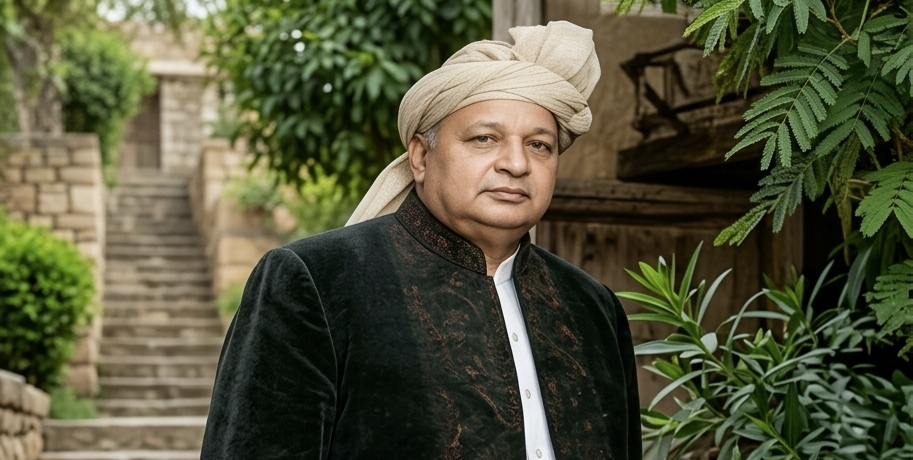
As the call for an independent Muslim state grew louder across British India, Khan Faqira Khan Jadoon quickly recognized the imperative of the Pakistan Movement. He became a staunch and vocal adherent of the All India Muslim League, aligning himself unequivocally with its mission to secure a separate homeland for the Muslims of the subcontinent. His commitment was not born out of mere political expediency but from a deep conviction in the ideology espoused by the League – the two-nation theory and the necessity of self-determination for Muslims.
His support lent considerable weight to the Muslim League's efforts in the Hazara region. Where other political factions vied for influence, Khan Faqira Khan's endorsement helped consolidate Muslim support, translating abstract political ideals into tangible local action. He understood that the strength of the movement lay in its ability to resonate with the common people, and his tribal leadership provided a crucial conduit for this message.
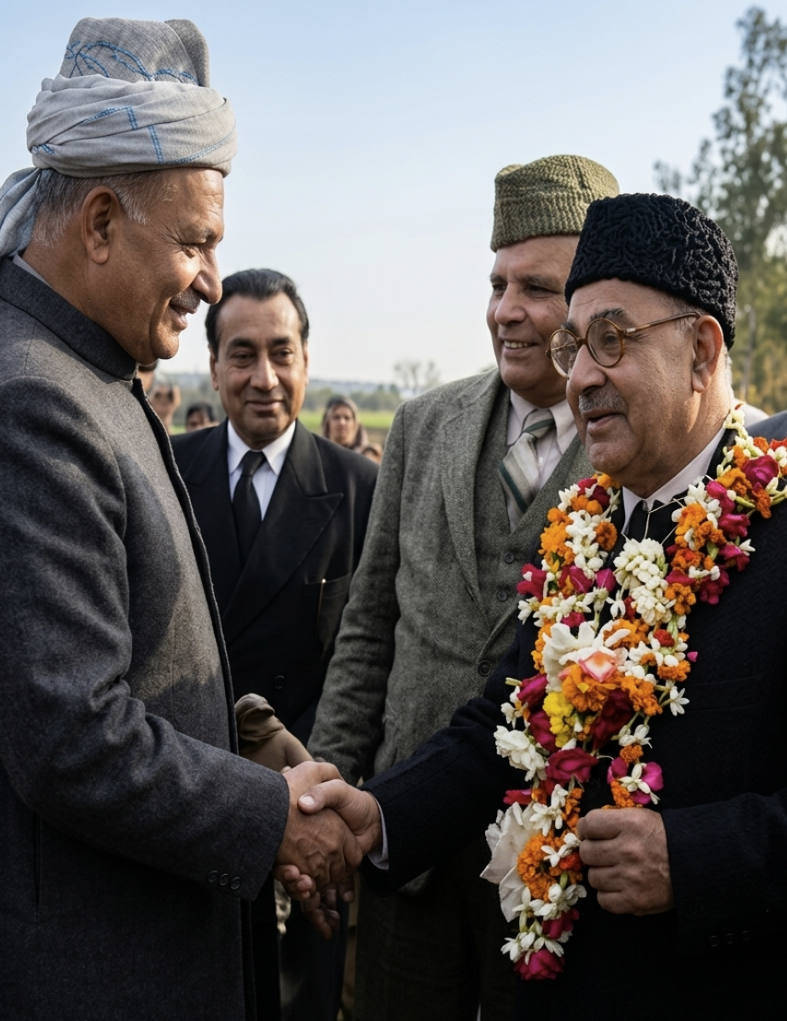
Perhaps one of the most defining aspects of Khan Faqira Khan Jadoon's political journey was his close association with the founder of Pakistan, Quaid-e-Azam Muhammad Ali Jinnah. Described as a "close companion of Quaid-e-Azam Muhammad Ali Jinnah," Khan Faqira Khan enjoyed a relationship built on mutual trust and shared vision. In the critical years leading up to Partition, Jinnah relied heavily on regional leaders like Khan Faqira Khan to mobilize support, convey his message, and counter opposing narratives in their respective territories.
This companionship was vital. Jinnah, as the central figure, needed strong, influential allies on the ground who could effectively communicate the League's objectives and galvanize the populace. Khan Faqira Khan Jadoon filled this role admirably in Hazara, acting as a direct link between the supreme leadership and the masses. His ability to rally the Jadoon tribe and other communities in Hazara behind the Muslim League's banner was a testament to his persuasive power and the deep respect he commanded.
The period leading up to the 1947 partition was fraught with political tension and uncertainty. The decision of which dominion to join – India or Pakistan – was a momentous one for princely states and regions alike. In Hazara, Khan Faqira Khan Jadoon's leadership was instrumental in guiding the region towards Pakistan. He tirelessly campaigned, organized rallies, and engaged in crucial dialogues to ensure that the voice of the Jadoon tribe and the broader Hazara populace was heard in favor of an independent Muslim state.
His efforts, combined with those of other prominent Muslim League leaders in the region, ensured that Hazara overwhelmingly supported the creation of Pakistan. This regional consolidation of support was a critical component of the larger national movement, demonstrating the widespread desire for a separate homeland and contributing significantly to the geographic integrity of the new nation.
Khan Faqira Khan Jadoon's contributions did not cease with the birth of Pakistan. Recognizing the need for experienced and dedicated leaders to build the nascent state, he transitioned from a movement leader to a legislator. He served as a member of the Provincial Assembly of West Pakistan from 1956 to 1958. This period was crucial for laying the administrative and political foundations of the new country, and his participation in the assembly underscored his continued commitment to public service and nation-building.
His tenure in the assembly allowed him to contribute to policy-making and governance, bringing his deep understanding of local needs and tribal dynamics to the provincial legislative process. It was a testament to his enduring relevance and his desire to see Pakistan flourish.
Khan Faqira Khan Jadoon's legacy is multifaceted and profound. As the Chief of the Jadoon tribe, he modernized traditional leadership by integrating it with national political aspirations. As a staunch follower of the All India Muslim League, he demonstrated unwavering loyalty to the cause of Pakistan. As a close companion of Quaid-e-Azam, he played a vital role in translating Jinnah's vision into grassroots support.
His memory endures as a symbol of resolute leadership, tribal unity, and national dedication. He is remembered not just within the Jadoon tribe but across Hazara and wider Pakistan as a founding father who helped steer his region towards a future of independence and self-determination. His life story serves as an inspiration, reminding us of the sacrifices and tireless efforts of those who laid the groundwork for the nation we know today.
Khan Faqira Khan Jadoon was more than just a tribal chief; he was a visionary leader, a dedicated political activist, and a trusted confidante of the nation's founder. His pivotal role in the Pakistan Movement, his efforts in mobilizing the Hazara region, and his subsequent service as a legislator underscore his immense contributions to the creation and early development of Pakistan. His legacy continues to resonate, embodying the spirit of determination and unity that defined the struggle for independence and the birth of a new nation.
June 10, 2026
June 06, 2026
June 05, 2026